
IN THIS ARTICLE
Featured Products
 Best Seller
THE VICE MINI
 Original Piece
THE SILICONE PUSSY CAGE
 Best Seller
THE VICE CLITTY
Partner-led chastity is one of the most intimate forms of erotic trust.
It combines psychology, communication, and physical control: one partner wears the chastity cage, the other manages the key.
When this practice is live rather than judged, keyholding interestingly becomes less about restriction and more about focus. Sexual energy is slowed down, redirected, and shared. Decisions that were once automatic and given for granted (masturbation, release, gratification) are now negotiated.
And that negotiation is where intimacy deepens. Today I want to help you understand how partner-led chastity works on a practical, emotional, and sexual level; the aim is to allow couples to explore chastity play safely, sustainably, and with genuine excitement rather than anxiety.
TL;DR — Partner Keyholding Chastity
- Definition: one partner controls the key to the chastity device, deciding unlocks and rules.
- Purpose: builds trust, erotic focus, and shared discipline.
- Benefits: better communication, stronger emotional bond, delayed-gratification pleasure.
- Risks: hygiene issues, resentment, misuse of power — all solved by clear boundaries and aftercare.
- Essential Gear: a secure, breathable device like The Vice™ with anti-pullout system and daily-wear comfort.

post by: Austin Madore
What Is Keyholding in a Relationship?
Keyholding begins the moment the key leaves the wearer’s hands. That transfer formalizes erotic control, but it also simplifies expectations. Instead of guessing boundaries or improvising rules in the heat of the moment, couples can define them clearly: how long the cage stays on, when unlocks happen, how communication works, and what the shared goal actually is.
For some couples, the goal is short-term abstinence or novelty. For others, it’s accountability, focus, or a deeper power dynamic. In all cases, keyholding works best when it is treated like a mutually negotiated agreement rather than an imposed rule. Clear duration, clear unlock conditions, and a shared language around consent allow excitement to coexist with safety.
This is why experienced couples often describe keyholding as “contract-like”: not necessarily because it is rigid, but because clarity removes uncertainty, and uncertainty is the fastest way to kill trust, especially in the sexuality of a couple.
→ Further reading: Long-Term Chastity and Aftercare.
Trust: Surrendering Control Without Losing Safety
Trust is the foundation of partner-led chastity. The locked partner gives up immediate access to sexual release. The keyholder, in return, accepts responsibility, which doesn’t imply just control, but also care. That includes hygiene reminders, comfort checks, emotional availability, and the ability to listen when something feels off.
Daily or regular check-ins are not optional; they are what prevent resentment from building silently. When communication stays open, the psychological effects of chastity shift from anxiety to security. The brain begins to associate dependence with reassurance rather than fear. Over time, this creates a form of secure submission, where surrender feels grounding instead of destabilizing.
This balance, authority paired with empathy, is what separates healthy keyholding from power misuse.

Power Exchange: Structure, Ritual, and Emotional Ownership
Power exchange in chastity, even for people who live a BDSM lifestyle, is rarely about constant dominance. Instead, it shows up in small, repeatable decisions: permission to edge, a delayed release, a task assigned at the right moment, or a rule enforced consistently. These choices create structure, and structure turns routine into ritual.
For the locked partner, compliance sharpens arousal and focus. Desire becomes measurable, tangible, and often easier to direct into other areas of life. For the keyholder, control reinforces desirability and authority; not through force, but through trust willingly given.
This also opens the gates to a complete new outlook on pleasure, on the value and sensations that an orgasm can provide, and discovering the pleasure in the dopamine build up in getting closer and closer to “earning” that orgasm.
→ Further reading: How to have Orgasms while staying locked for those who want a long-term chastity experience, but also ideas on how to increase tension with cum control and tease & denial .
Sexual Energy: Frustration as a Shared Resource
What happens when you allow yourself to play with chastity further than just a few hours or days? Physiologically, extended denial heightens sexual sensitivity and often raises baseline arousal. Psychologically, it creates anticipation. When that energy has nowhere to go, frustration builds; when it is guided, it can become devotion.
Many couples intentionally redirect that tension into service, creativity, physical training, or genuinely increased romantic attention. Keyholders can reinforce this process through playful reward systems: earned edging sessions, teasing messages, or unlocks tied to behavior rather than time.
The result is not deprivation, but delayed gratification, and a transformed sense of pleasure for the life lived between the releases, instead of living a life on autopilot, waiting for the next orgasm. Pleasure becomes intentional, truly shared, and deeply satisfying also because it is not immediate.

From Experiment to Lifestyle: How Keyholding Shows Up in Real Life
Don’t think about a one-way setup on how to talk to your partner about chastity. Partner-led chastity can exist on many levels and every relationship is different.
- Some couples explore it over a weekend as a form of teasing and novelty, setting clear start and end points followed by an honest debrief.
- Others adopt it as a 24/7 structure, where chastity becomes part of identity and daily routine.
- Long-distance couples often use digital locks, shared calendars, or regular video check-ins to maintain accountability across space, but also to keep chastity play hot and fun.
None of these paths is inherently better than the others. What matters is that communication, safety, and mutual enthusiasm remain central. When those elements are present, chastity adapts to real life rather than disrupting it.
Choosing a Device That Supports the Dynamic
Device choice plays a surprisingly large role in relationship success. A poorly fitting or uncomfortable cage introduces unnecessary stress, while a well-designed one fades into the background, allowing the dynamic itself to take center stage.
For partner-led chastity, breathability, skin safety, and security matter more than aesthetics. A device must support daily hygiene, prevent accidental removal, and remain comfortable during long wear. Features like adjustable spacers, rounded edges, and anti-pullout architecture reduce friction—both physically and emotionally.
A device such as The Vice™—designed specifically for extended wear—allows couples to focus on trust and connection instead of troubleshooting discomfort.
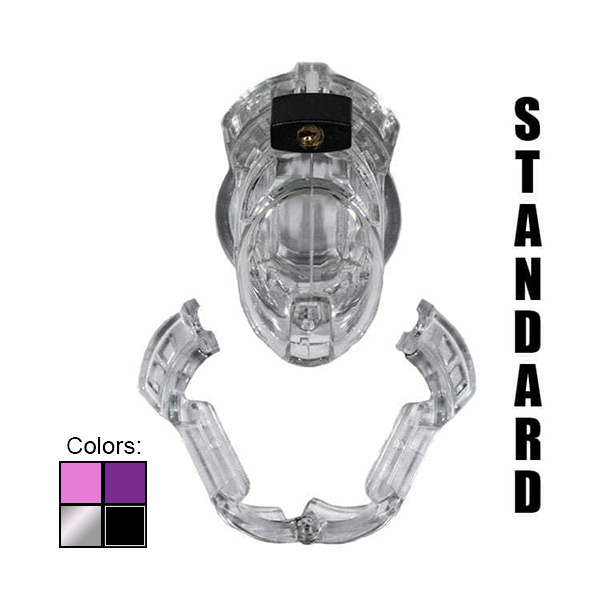
1) The Vice™ Standard — the perfect way to start (and continue)
The Vice™ Standard is the flagship inescapable chastity device from Locked in Lust—comfortable, secure, and discreet under clothing. It’s an experience as much as a toy: anticipation, surrender, and a shared secret between you two.
-
What’s inside / key features
- Multiple ring and spacer options to fine-tune comfort.
- Anti-pullout design intended for serious control.
- Lightweight, body-safe materials; discreet silhouette.
-
Best for
- Couples new to chastity who want a real, reliable system.
- Spouses or partners exploring denial, rewards, and rules.
- Links
Giving the Key, Building the Bond
At its best, partner-led chastity strengthens the bond with your partner. It encourages honest conversations, transforms mechanic sex into intense intimacy, and creates a complicity that is felt even when nothing physical is happening.
The key itself is symbolic. It does not necessarily represent ownership, punishment, nor control for control’s sake. It represents intention, and the shared decision to slow down, to trust, and to explore desire together.
Featured Products
Best SellerTHE VICE MINI
Original PieceTHE SILICONE PUSSY CAGE
Best SellerTHE VICE CLITTY
FAQ about Chastity Play in a Relationship or with a Partner
Here are some of the most common questions we receive about this topic.
How does partner keyholding actually work day-to-day?
What are realistic beginner goals for keyholding?
How can keyholding improve a couple’s communication?
What are the most common mistakes to avoid?
Can long-distance couples practise real keyholding?
How does chastity affect sexual health?
What psychological benefits can keyholding offer?
How should couples handle emotional imbalance or jealousy?
What device features define a safe long-term setup?
When does keyholding shift from play to lifestyle?
About the Author



0 Comments